

D.C. Landlord Leader: Court Officials Said 60-Day Deadline Was Achievable
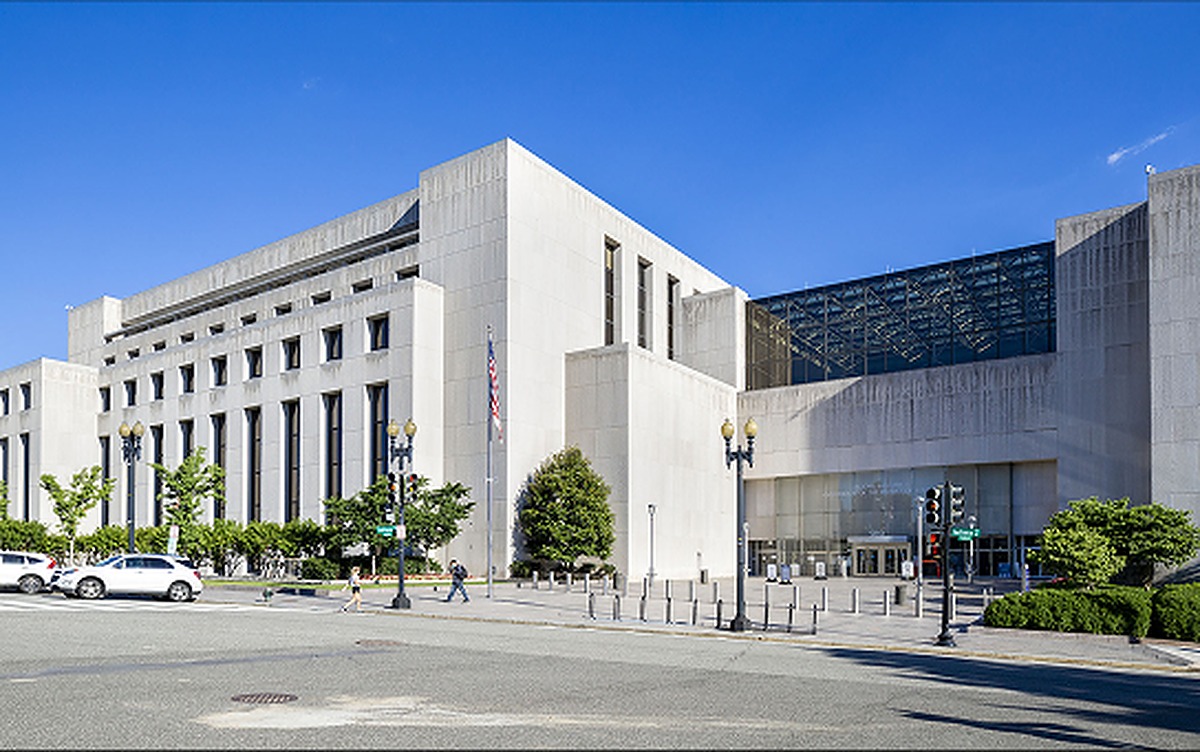
D.C. Superior Court, Washington, D.C.
SMOA's Dean Hunter says Civil Division leadership told him the Court could meet the deadline, calling the delays a policy decision, not a budget problem
Last year, I met with the leadership of the Civil Division, and they told me the Court could meet a 60-day deadline. This is a policy decision.”
WASHINGTON, DC, UNITED STATES, October 5, 2026 /EINPresswire.com/ -- A coalition of D.C. landlords, led by the Small Multifamily Owners Association (SMOA) and the D.C. Housing Recovery Coalition, today called on Congress to fully fund the D.C. Courts and on the D.C. Council to pass the Housing Investment Protection Act (HIPA) with mandatory 60-day hearing deadlines.— Dean Hunter, SMOA CEO
SMOA's recent report, The Cost of Delay, documents the impact of prolonged Landlord and Tenant cases on housing providers. Seven in ten landlords with completed cases waited at least a year to recover their units. Fifty-eight percent deferred maintenance because tenants weren't paying rent. According to CohnReznick, more than half of the District's publicly financed affordable housing inventory, over $1 billion in assets, is now on the distress watch list.
"On the same day Council member Robert White held a public roundtable on landlord accountability and housing conditions, we engaged members of Congress on proposed cuts to the Court's budget, calling for full funding of the D.C. Courts and opposing any reduction," said Dean Hunter, CEO of SMOA and Chairman of the D.C. Housing Recovery Coalition. "Full funding matters. But the delays are not a budget issue. Five years of delay predate the current funding fight and cannot be explained by it."
Where is the public roundtable on the operations of the Landlord and Tenant Branch?
"We have been raising this issue for five years," Hunter said. "The Council has not had a single public roundtable on the operation of the Court. Not a single individual from the Court has been invited to testify. We have not seen a single written response from the Court regarding hearing deadlines. Yet the Court's delays are a direct driver of the housing conditions the Council says it wants to fix."
"Major housing policy is being made on hearsay," Hunter said. "Without the Court's testimony, without data, without a single written statement from the Court itself, the Council is left relying on individual conversations to shape decisions that affect thousands of providers and tenants."
"Accountability applied to one side of a dispute, and not the other, is not accountability," Hunter said. "It is a narrative."
Not a Budget Problem
According to the D.C. Courts' own 2019 Statistical Summary, the Landlord and Tenant Branch processed more than 30,000 cases that year, roughly 100 or more per court day. That capacity has never been restored, not because of judicial shortages or a budget shortfall, but because of the Court's continued use of a pandemic-era virtual calendar.
"Last year, I met with the leadership of the Civil Division, and they told me the Court could meet a 60-day deadline," Hunter said. "This is a policy decision. Tenant advocates succeeded in getting deadlines stripped from the Rental Act. The Court has had five years to act on its own. It hasn't."
No Peer Jurisdiction Is This Inefficient
Virginia requires an initial hearing within 21 days of filing. Maryland typically schedules one within 5 to 10 days. The District takes four to five months, with many cases stretching past two years.
"This isn't caseload," Hunter said. "Filings are below pre-pandemic levels."
What Must Happen Now
SMOA and the Coalition are calling for two actions: the Council should pass HIPA with mandatory hearing deadlines, including a mandatory initial hearing within 60 days of filing, and require regular public reporting on Branch operations; and Congress should reject proposed cuts to D.C. Courts funding and increase funding to clear the backlog.
"Resources determine capacity," Hunter said. "The legislature determines priority."
"Council member White wants accountability for landlords and housing conditions. So do we," Hunter said. "The Council must pass HIPA with hearing deadlines intact. The fate of D.C.'s affordable housing industry depends on it. Accountability doesn't stop at the courthouse door."
About SMOA
SMOA empowers small landlords and preserves naturally occurring affordable housing (NOAH) in the District through education, advocacy, and policy research.
About the D.C. Housing Recovery Coalition
Established to engage the federal government and federal courts in addressing the District's housing crisis.
Dean Hunter
Small Multifamily Owners Association
+1 202-660-1333
email us here
Legal Disclaimer:
EIN Presswire provides this news content "as is" without warranty of any kind. We do not accept any responsibility or liability for the accuracy, content, images, videos, licenses, completeness, legality, or reliability of the information contained in this article. If you have any complaints or copyright issues related to this article, kindly contact the author above.
